
The Part of Vietnam That Still Feels Untouched by Time
At 5 AM, Hanoi already felt awake.
Scooters moved through narrow streets while small food stalls filled the sidewalks with smoke and the smell of fresh pho.
An old man drank coffee quietly outside a tiny café that looked older than the buildings around it.
Everything felt busy.
But somewhere between the lantern-lit streets of Hoi An, the old architecture in Hanoi, and quiet countryside roads surrounded by rice fields, I discovered a completely different side of the country.
A slower side.
A version of Vietnam that still feels deeply connected to its history.
And honestly, those places became the most memorable parts of the trip.
Vietnam changes quickly.
New cafés appear constantly.
Modern buildings rise everywhere.
Tourism grows larger every year.
But some places still feel untouched by modern speed.
Not frozen in time exactly.
Just… slower.
More atmospheric.
More connected to everyday life and history.
If you are planning your first trip to Vietnam, this guide covers:
- historic places that still feel authentic
- cities and towns with timeless atmosphere
- cultural experiences worth slowing down for
- realistic travel costs
- local food experiences
- why Vietnam feels emotionally different from many modern destinations
Hoi An Felt Like Another Era
The first place that truly gave me this feeling was Hoi An.
During the daytime, the old town already feels beautiful:
yellow historic buildings,
wooden shop houses,
quiet riverside cafés,
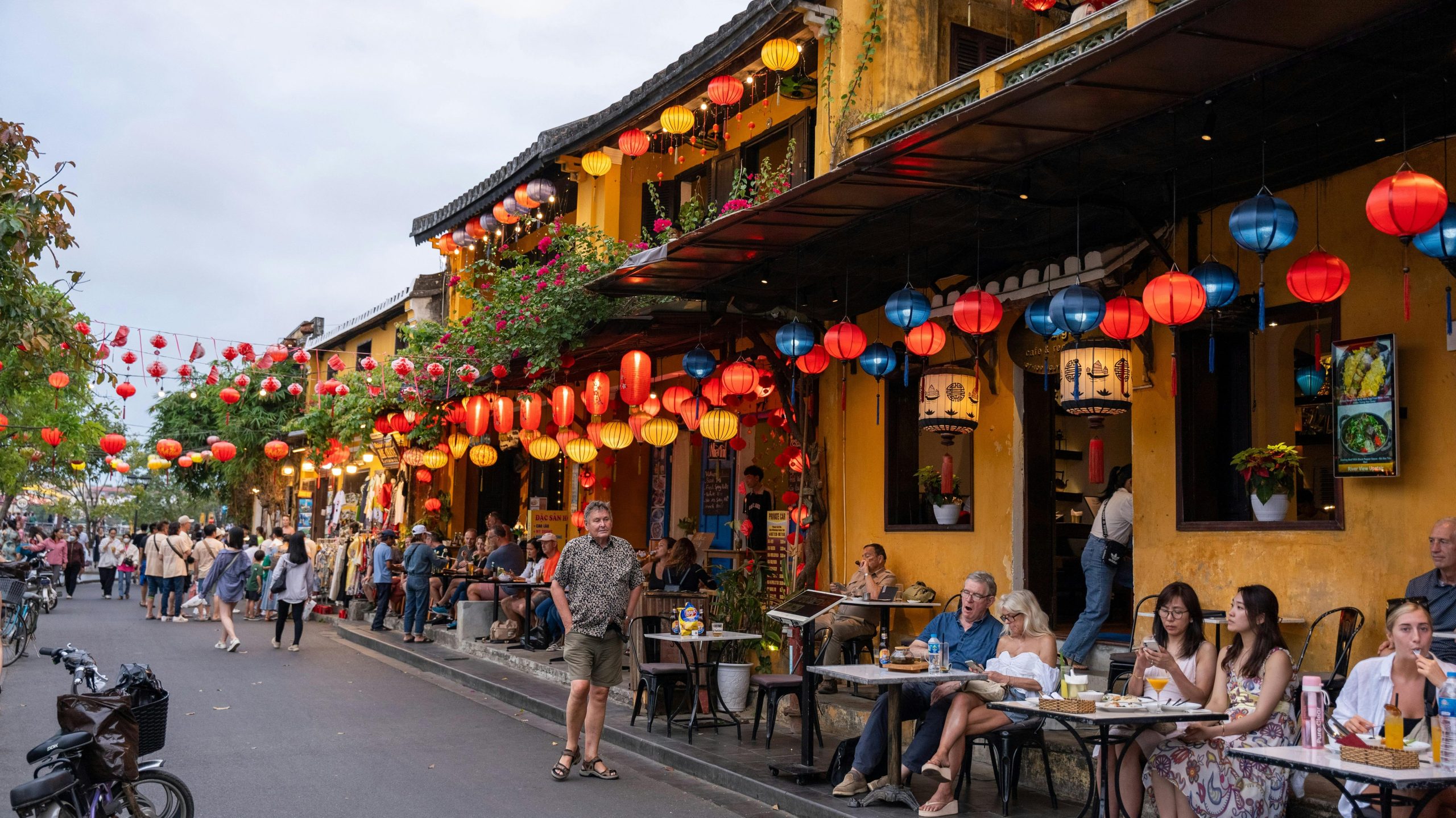
lanterns hanging across narrow streets.
But at night, the atmosphere changes completely.
Cars disappear from many areas.
Lanterns begin glowing softly above the streets.
Traditional boats move slowly along the river.
And suddenly, the city feels almost suspended in time.
Walking through Hoi An at night didn’t feel like visiting a modern tourist destination.
It felt like stepping into an older version of Vietnam that somehow survived untouched.
The Lantern Evenings Felt Unreal
One evening, I walked through the old town during light rain while lantern reflections moved across wet streets beside the river.
No loud music.
No giant advertisements.
No skyscrapers.
Just:
- warm yellow lights
- quiet conversations
- bicycles passing slowly
- traditional buildings glowing at night
It honestly became one of the calmest travel experiences I’ve ever had.
Hanoi’s Old Quarter Still Feels Historic
Hanoi feels chaotic at first.
Thousands of scooters,
tiny sidewalks,
crowded intersections,
street food smoke everywhere.
But underneath that energy, the city still carries an older atmosphere that becomes noticeable once you slow down.
Especially inside the Old Quarter.
Many streets still preserve:
- French colonial architecture
- narrow historic buildings
- old cafés
- local markets
- traditional street life
Some mornings, walking through Hanoi before the traffic fully starts feels like seeing another version of the city entirely.
The Small Alleyways Became My Favourite Part
The main streets in Hanoi are intense.
But the smaller alleyways hidden behind them often feel surprisingly quiet.
Tiny cafés appear between old apartment buildings.
Local families sit outside eating breakfast.
Laundry hangs above narrow pathways.
And somehow, those ordinary moments made Hanoi feel far more memorable than major attractions.
Vietnam constantly rewards slowing down and paying attention.
Hue Felt Deeply Connected to Vietnam’s Past
Hue felt completely different from Hanoi and Hoi An.
Formerly Vietnam’s imperial capital, the city still feels heavily connected to history.
The Imperial City,
ancient gates,
old temples,
royal tombs,
riverfront pagodas.
The atmosphere feels slower and more reflective compared to Vietnam’s busier cities.
Even the pace of life near the Perfume River felt calmer.
Strolling In The Imperial City Was Very Different From What I Expected
I thought the Imperial City in Hue would feel like a normal-historical-spot.
It was weirdly emotional.
Walking through old courtyards and weathered gates while hearing almost no noise except wind and distant footsteps created a completely different atmosphere from modern cities.
You begin realizing how much history Vietnam carries quietly beneath everyday life.
The Countryside Felt More Memorable Than Tourist Attractions
Some of the strongest memories from Vietnam weren’t famous landmarks at all.
They were countryside moments:
- rice fields stretching endlessly beside roads
- water buffalo standing beside rivers
- old women selling fruit near village streets
- bicycles moving slowly through foggy mornings
Those places felt deeply connected to the country’s older rhythms of life.
Ninh Binh Felt Peaceful in a Different Way
Ninh Binh became one of the most unexpectedly beautiful parts of the trip.
The area feels quieter than larger cities while still carrying a strong historical atmosphere.
Massive limestone mountains rise around:
- rivers
- temples
- rice fields
- small villages
Boat rides through the landscape feel calm and almost cinematic.
Especially early in the morning.
Vietnam’s Cafés Still Feel Personal
One thing that surprised me most was how personal many Vietnamese cafés still feel.
Not overly polished.
Not corporate.
Small cafés hidden inside old buildings often became the most memorable places.
Especially in:
- Hanoi
- Hoi An
- Hue
Some felt almost unchanged for decades.
Foods That Felt Connected to Tradition
Vietnamese food culture still feels deeply connected to everyday life and local traditions.
Especially in smaller towns.
Foods Worth Trying
- pho
- cao lầu
- bun bo Hue
- banh xeo
- fresh spring rolls
- Vietnamese coffee
Many meals still feel handmade and local rather than heavily commercialized.
Average Food Costs in Vietnam
| Food | Average Cost |
| Street food meal | $2–$5 |
| Local restaurant | $4–$10 |
| Vietnamese coffee | $1–$3 |
| Traditional dinner | $8–$20 |
Vietnam remains one of the best-value travel destinations in Asia.
Things That Surprised Me Most About Historic Vietnam
1. The Country Feels Deeply Layered
Modern life and history exist side by side constantly.
2. Smaller Towns Felt More Memorable
Places like Hoi An and Hue felt emotionally richer than larger cities.
3. Vietnam Rewards Slow Travel
The atmosphere becomes stronger when you stop rushing between attractions.
4. Everyday Life Often Feels More Interesting Than Tourist Sites
Street life itself becomes part of the experience.
Mistakes First-Time Travelers Make
Trying to Cover Too Many Cities Quickly
Vietnam feels best slowly.
Only Visiting Major Tourist Areas
Some of the best experiences happen inside quieter streets and smaller towns.
Ignoring the Historical Side of Vietnam
The country’s atmosphere becomes much richer once you understand its history and culture.
Best Timeless Experiences in Vietnam
- lantern evenings in Hoi An
- early mornings in Hanoi’s Old Quarter
- boat rides in Ninh Binh
- café hopping through historic streets
- countryside scooter rides
- visiting Hue’s Imperial City
- traditional food markets
- quiet riverside walks at sunset
Final Thoughts
Before visiting Vietnam, I expected energy, movement, and chaos.
What I didn’t expect was discovering places that still felt connected to another era entirely.
Lantern-lit evenings in Hoi An.
Quiet mornings in Hanoi.
Ancient gates in Hue.
Countryside roads surrounded by rice fields.
Those places didn’t feel frozen in time.
They simply felt slower than the modern world around them.
And honestly, that’s exactly what made them unforgettable.
Which part of Vietnam feels most historic?
Hoi An, Hue, and Hanoi’s Old Quarter are among the most atmospheric historical areas in Vietnam.
Is Vietnam good for cultural travel?
Absolutely. Vietnam offers rich history, traditional food culture, and preserved old towns throughout the country.
Is Hoi An worth visiting?
Yes. Hoi An is considered one of the most beautiful and atmospheric towns in Southeast Asia.
How many days should you spend in Vietnam?
10–14 days is ideal for exploring multiple regions slowly.
What surprised most travelers about Vietnam?
Many visitors are surprised by how deeply historical and emotionally atmospheric parts of Vietnam still feel.
Frequently Asked Questions-
Hoi An, Hue, and Hanoi’s Old Quarter are among the most atmospheric historical areas in Vietnam.
Absolutely. Vietnam offers rich history, traditional food culture, and preserved old towns throughout the country.
Yes. Hoi An is considered one of the most beautiful and atmospheric towns in Southeast Asia.
10–14 days is ideal for exploring multiple regions slowly.
Many visitors are surprised by how deeply historical and emotionally atmospheric parts of Vietnam still feel.