
Trying Japanese Street Food for the First Time: My Honest Food Review
I thought I knew Japanese food before I came to Japan.
Sushi, ramen, tempura, that was basically my understanding of it.
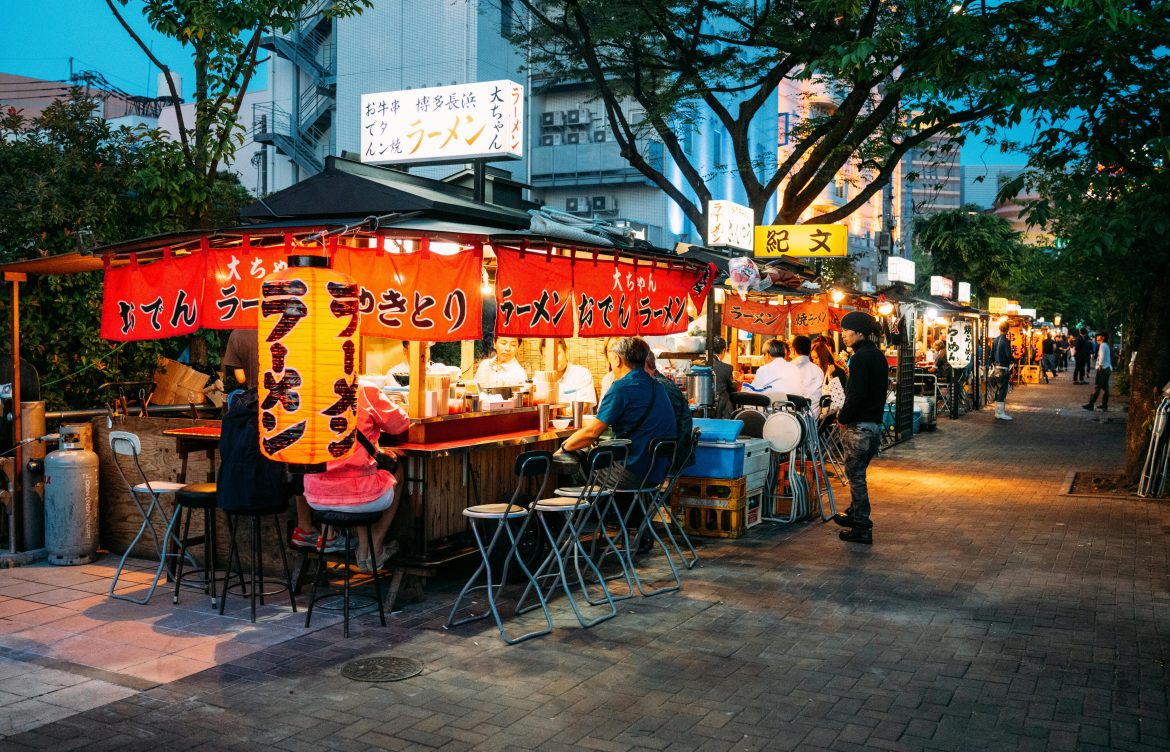
But the moment I started walking through small side streets in Osaka at night, surrounded by glowing lanterns, sizzling grills, and the smell of soy sauce in the air, I realized Japanese street food was an entirely different experience.
It wasn’t just about eating.
It was about atmosphere, detail, culture, and the strange comfort of trying something completely unfamiliar in a place that somehow still felt welcoming.
If you are planning your first trip to Japan, this guide covers:
- what Japanese street food actually feels like
- foods worth trying
- real prices in Japan
- food culture surprises
- mistakes first-time travelers make
- tips for ordering food in Japan
And honestly, some of the foods surprised me far more than I expected.
My First Impression of Japanese Food Streets
The first thing I noticed was how calm everything felt.
Even in busy places like Osaka’s Dotonbori or Tokyo’s smaller alleyways, the food culture didn’t feel chaotic or overwhelming.
There were no people aggressively calling customers into restaurants.
No loud music.
No rushed atmosphere.
Instead people stood quietly by small food stalls, eating bowls of ramen or freshly grilled skewers under the warm yellow lights.
The entire experience felt strangely cinematic.
Japan somehow makes even simple street food feel intentional.
My First Food: Takoyaki
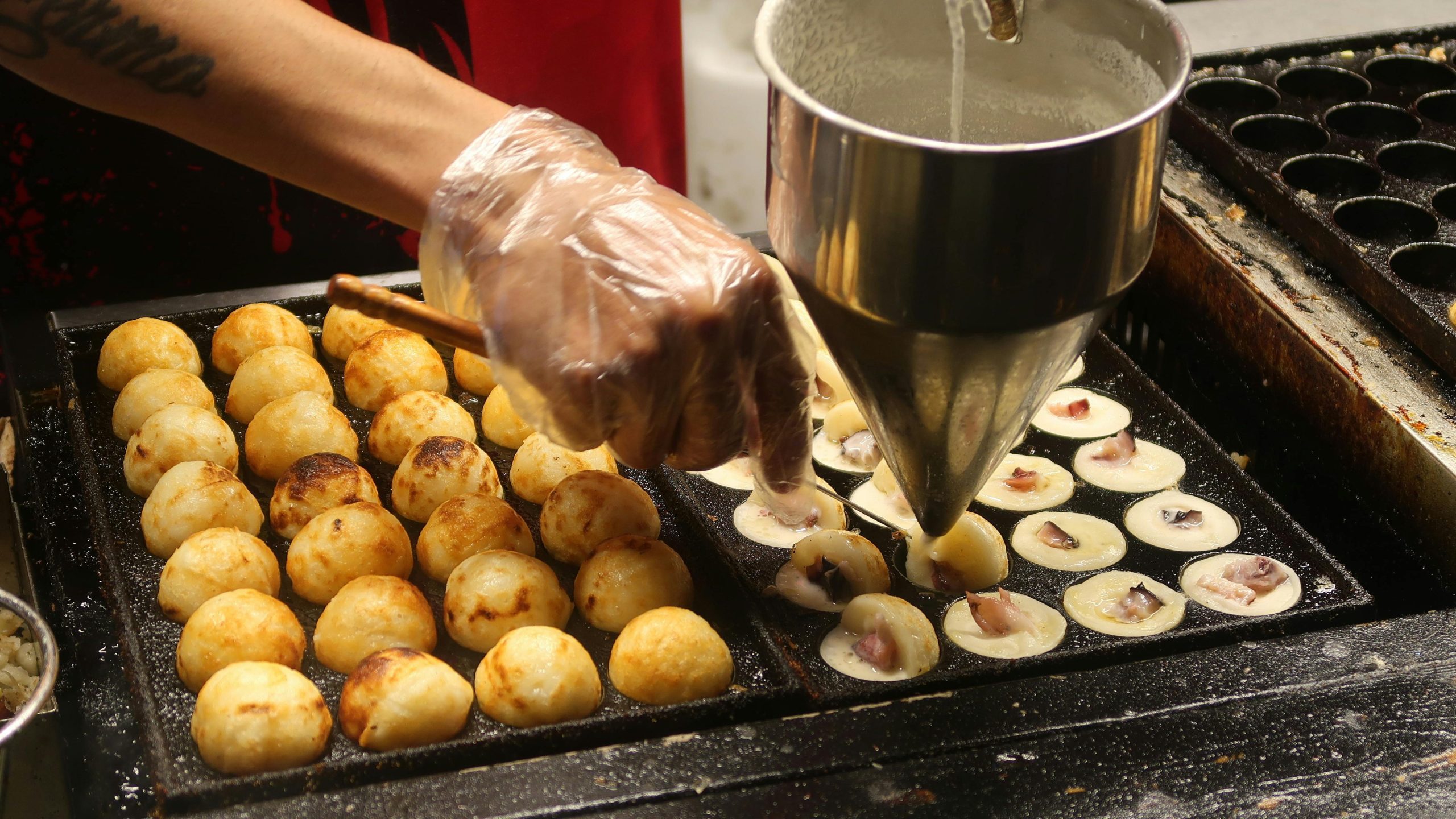
I went with takoyaki first because it was everywhere in Osaka.
They were little golden balls, covered with sauce, mayo and bonito flakes, and at first glance they looked innocent.
But I immediately underestimated one thing:
they were unbelievably hot.
The outside was crispy, but the inside felt like molten lava.
Once I survived the first bite, though, I understood why people love them.
The texture was soft and creamy, the octopus inside added chewiness, and the sweet-savory sauce combination somehow worked perfectly.
Average Price
¥500–¥800 ($3–$5)
First-Timer Tip
Wait at least 2 minutes before biting into fresh takoyaki.
Seriously.
Convenience Store Food Was Shockingly Good
One of the biggest surprises in Japan was discovering how good convenience store food actually is.
In many countries, convenience stores are just for snacks and emergency meals.
In Japan, places like:
- 7-Eleven
- Lawson
- FamilyMart
feel like actual food destinations.
I ended up eating there far more than expected.
The Egg Sandwich Everyone Talks About
At first, I thought people online were exaggerating about Japanese egg sandwiches.
They weren’t.
The bread was incredibly soft, the filling was creamy without being heavy, and somehow it tasted much fresher than a convenience store sandwich should.
It became my go-to breakfast during the trip.
Average Price
¥300–¥450 ($2–$3)
Trying Japanese Ramen Late at Night
One of my favorite memories from Japan was sitting alone in a tiny ramen shop late at night.
There were only eight seats.
No English menu.
No music.
Just the sound of boiling broth and quiet conversations.
The ramen itself was richer and more flavourful than anything I had ever tasted.
But what stood out most was the atmosphere.
In Japan, eating alone doesn’t feel awkward.
It feels normal.
Comfortable, even.
Things That Surprised Me About Japanese Food Culture
1. Everything Looked Exactly Like the Photos
This genuinely shocked me.
In many places around the world, menu photos can feel misleading.
In Japan, the food almost always looked identical to the display photos outside restaurants.
Sometimes even better.
2. Food Presentation Matters Deeply
Even cheap meals were beautifully presented.
Even a plain bowl of rice, or curry, felt thoughtfully made.
Special everyday meals are made by attention to detail.
3. Silence During Meals Is Normal
Japanese restaurants are often much quieter than Western restaurants.
People aren’t loudly talking or rushing through meals.
The atmosphere feels calmer and more respectful.
At first it felt unusual.
After a few days, it became strangely relaxing.
Trying Yakitori in a Tiny Alleyway
One evening in Tokyo, I wandered into a narrow alley filled with tiny yakitori restaurants.
Smoke drifted into the streets while chefs grilled skewers over charcoal flames.
I ordered randomly because I couldn’t read most of the menu.
Some skewers were incredible.
Others were… confusing.
But that unpredictability became part of the fun.
Foods I Tried
- chicken skewers
- grilled mushrooms
- pork belly
- chicken skin
The chicken skin was the biggest surprise.
Crispy, salty, smoky — much better than expected.
Average Cost
¥150–¥400 per skewer
Japanese Desserts Were Completely Different
Japanese desserts felt lighter and less sugary than desserts back home.
That made them strangely addictive.
Matcha Ice Cream
Much richer and earthier than expected.
Mochi
Soft, chewy, and surprisingly filling.
Taiyaki
Fish-shaped pastry filled with sweet red bean paste.
At first I wasn’t sure about red bean desserts.
By the end of the trip, I was actively searching for them.
The Vending Machines Became Part of the Experience
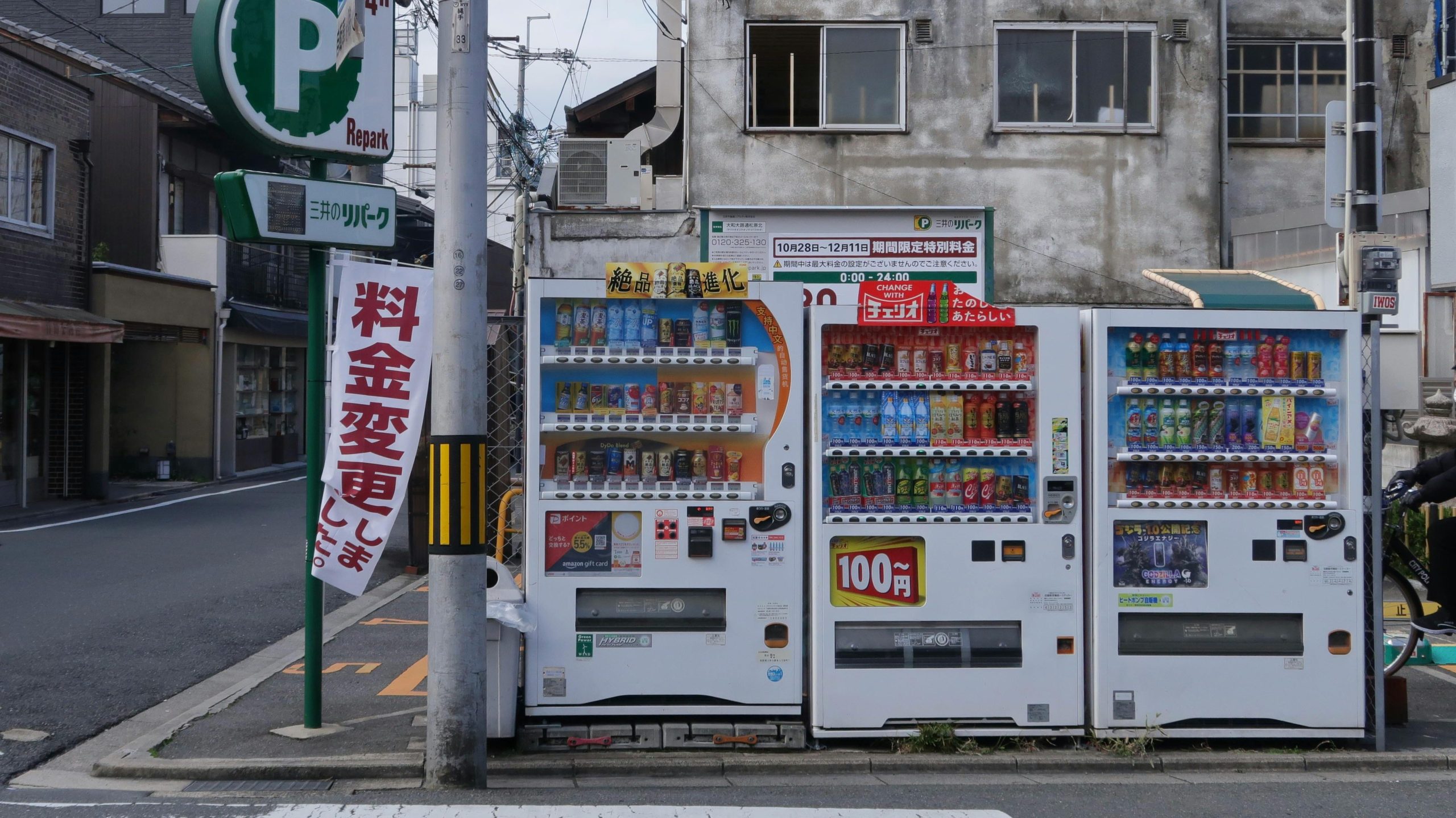
Japan’s vending machines are everywhere.
And somehow, they became part of the travel experience itself.
Hot coffee in cold weather.
Matcha drinks after long walks.
Random flavored sodas I couldn’t identify.
Even grabbing a drink felt fun in Japan.
Realistic Food Costs in Japan
One thing that surprised me was that food in Japan wasn’t as expensive as expected.
Budget Traveler
¥2,000–¥4,000 per day ($15–$30)
Mid-Range Food Budget
¥5,000–¥8,000 per day ($35–$60)
Convenience Store Meals
¥300–¥800
Ramen Shops
¥900–¥1,500
Street Food Snacks
¥400–¥1,000
Japan can actually be surprisingly affordable if you avoid luxury restaurants.
Mistakes First-Time Travelers Make With Japanese Food
Trying to Overplan Every Meal
Some of the best meals happen randomly.
Leave room for spontaneity.
Avoiding Small Restaurants
Tiny local restaurants often serve the best food.
Even if the menus look intimidating.
Only Eating Sushi
Japanese food culture is much broader than sushi.
Try:
- ramen
- curry
- yakitori
- okonomiyaki
- convenience store food
- desserts
Foods I’d Instantly Eat Again
If I returned to Japan tomorrow, these would be my first stops:
- late-night ramen
- fresh takoyaki
- egg sandwiches
- yakitori skewers
- matcha desserts
- convenience store snacks
Not because they were luxurious.
But because they felt deeply tied to the experience of being in Japan.
Why Japanese Street Food Feels So Memorable
I think the reason Japanese food stays with people isn’t just the flavor.
It’s the atmosphere around it.
The tiny alleyways.
The warm lighting.
The quiet restaurants.
The attention to detail.
The right feeling of taking it slow and enjoying the little things.
In many ways, the first time I had Japanese street food didn’t feel like “tourism” so much as gradually coming to understand a different culture through food.
Frequently asked questions-
No. Most Japanese street food is reasonably priced, especially compared to major Western cities.
Takoyaki, ramen, yakitori, and Japanese convenience store food are great starting points.
Osaka is often considered the best city for street food in Japan.
Yes. Many restaurants use picture menus, vending machine ordering systems, or plastic food displays.
Absolutely. Japan is one of the best countries in the world for solo dining experiences.