
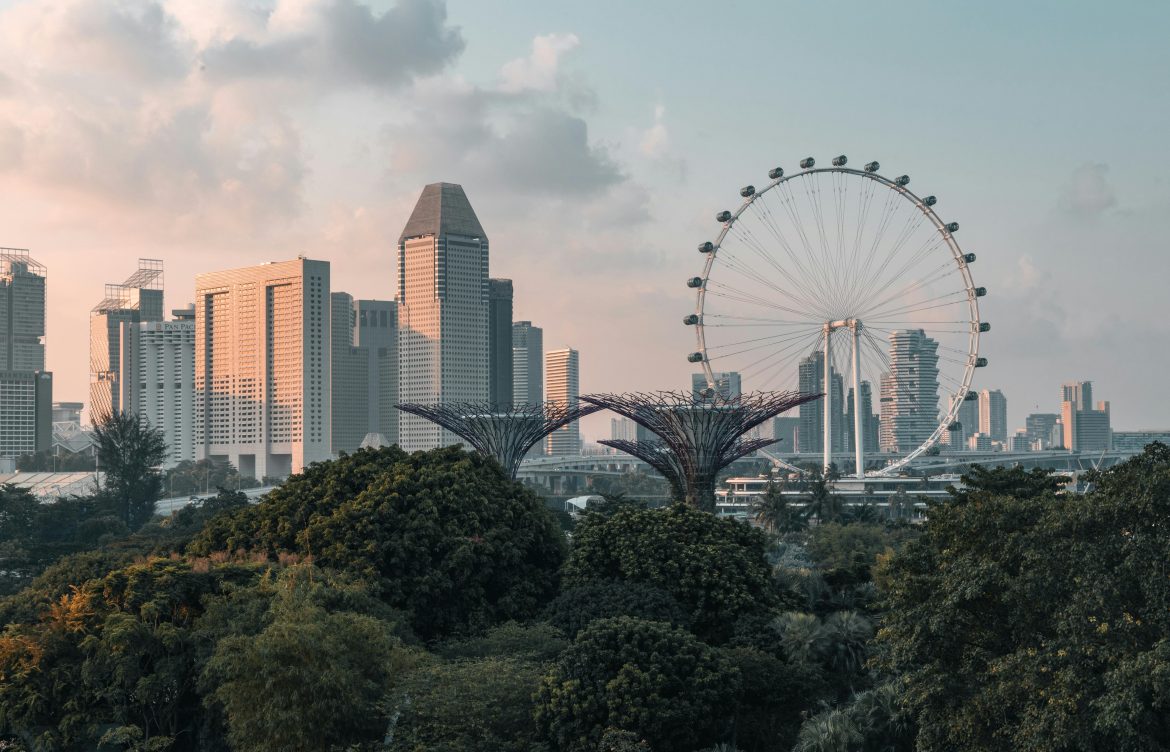
Singapore Beyond the Skyline: Hidden Cafes & Local Spots
Most people consider Singapore to be a quick, 48-hour stopover destination filled with futuristic glass greenhouses, luxury shopping malls, and pristine, hyper-modern streets. But if that’s all you see, you’re missing the actual heartbeat of the city.
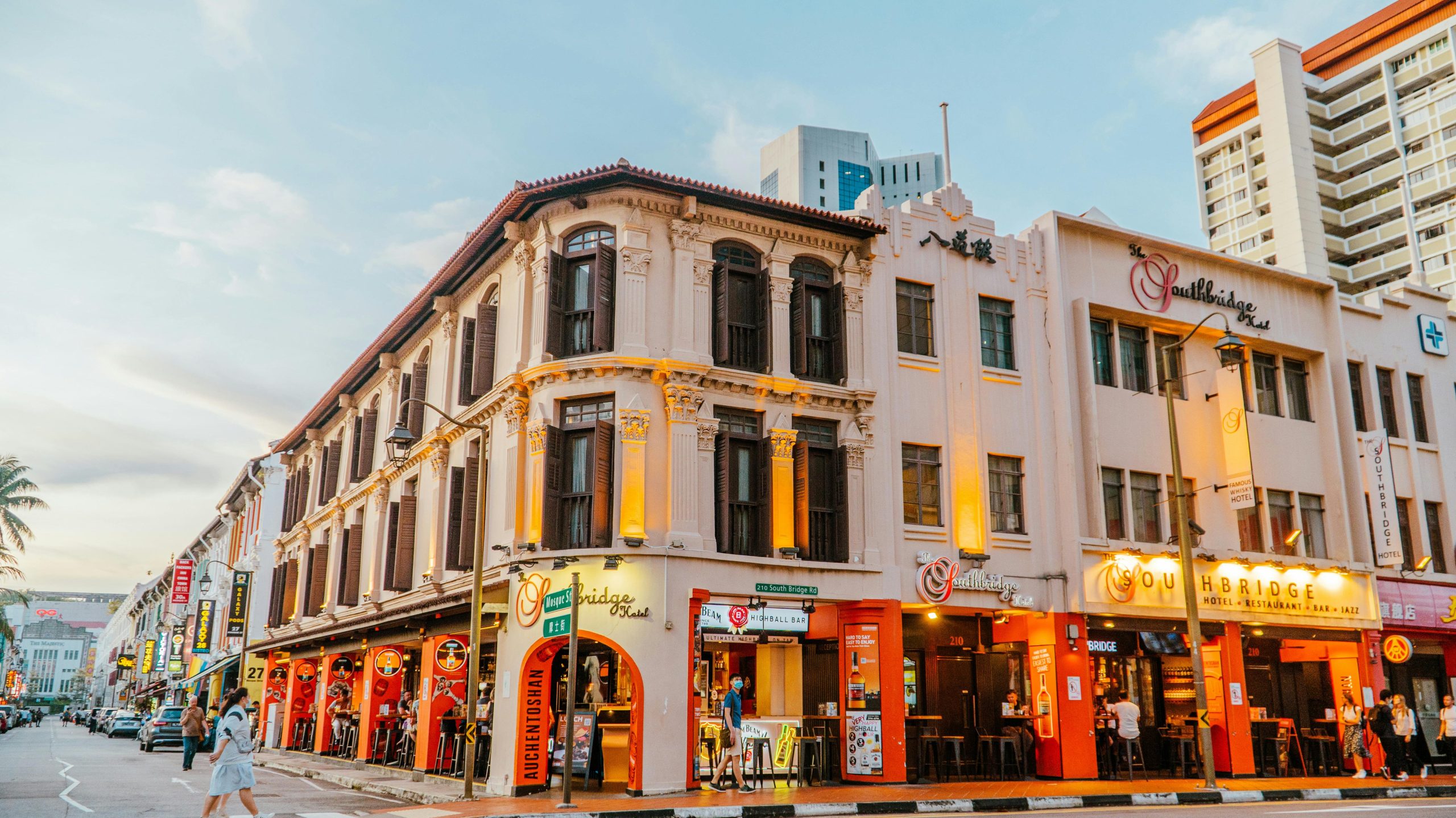
Beyond the glittering skyline of Marina Bay lies an incredibly diverse, complex tropical metropolis. It’s a place where century-old heritage shophouses sit in the shadow of skyscrapers, where world-class speciality coffee roasters are hidden down quiet residential alleyways, and where you can get a Michelin-starred meal at an open-air food market for less than five dollars.
This isn’t a guide telling you to go stand in line at the usual tourist traps. This is a blueprint of how to experience the raw culinary energy, design-forward spaces, and local secrets of Singapore.
The Blueprint: Swap the Tourist Traps for Local Secrets
To see the real personality of the city, swap out the heavily commercialised sights for these authentic local neighbourhoods.
Swap the Marina Bay Malls for Tiong Bahru
- The Cliché: Spending your afternoon walking through air-conditioned, generic luxury malls that look like the ones back home.
- The Blueprint: Head to Tiong Bahru. This is Singapore’s oldest housing estate, famous for its unique 1930s Art Deco architecture. Today, it’s a creative hub filled with independent indie bookstores (like BooksActually), vinyl record shops, and brilliant murals.
Swap Sentosa Beaches for Pulau Ubin
- The Cliché: Lying on the crowded, man-made beaches of Sentosa Island surrounded by commercial resorts.
- The Blueprint: Take a 10-minute bumboat ride from Changi Village over to Pulau Ubin. This tiny island is Singapore’s last remaining kampong (traditional village). Rent a cheap bicycle at the jetty and ride through lush jungle trails past abandoned granite quarries, and spot wild boars and hornbills. It feels like stepping into a time machine.
The Elite Caffeine Hit: 3 Hidden Specialty Cafes
Singapore has quietly established itself as the speciality coffee capital of Southeast Asia. Skip the major global chains and hunt down these exceptional local roasters:
[Chye Seng Huat] ➔ [Apartment Coffee] ➔ [Nylon Coffee Roasters]
1. Chye Seng Huat Hardware (Jalan Besar)
This cafe cleverly disguises itself behind the facade of an old, traditional hardware store in an industrial district. Once you walk through the metal gates, you’re greeted by a stunning, 360-degree island bar where baristas serve incredible cold brews, nitro coffees, and flawless flat whites. It’s a masterclass in adaptive architecture and coffee design.
2. Apartment Coffee (Caldecott / Central)
If you view coffee as a form of art, Apartment is your sanctuary. The space is entirely minimalist, bright white, and designed to look like a beautiful Scandinavian living room. There are no menus here; instead, the highly knowledgeable staff walk you through a curated selection of single-origin filter coffees based on your flavor preferences, serving them in exquisite, custom-made ceramic cups.
3. Nylon Coffee Roasters (Everton Park)
Tucked away at the base of a public housing block in Everton Park, Nylon is a tiny, no-frills espresso bar that has a massive cult following among local coffee purists. There are very few seats, as the focus is entirely on the sourcing and roasting of the beans. Grab a seasonal filter coffee and drink it outside on the public benches alongside the neighborhood locals.
Local Vibe Check: Neighborhood Guide
| If you want… | Head to this district | The Vibe |
| Trendy Cafes & Indie Art | Tiong Bahru | Art Deco buildings, quiet lanes, creative locals |
| Multicultural Food & Colors | Little India / Kampong Glam | Vibrant shophouses, street art, incredible spices |
| Nightlife & Riverside Dining | Robertson Quay | Laid-back, river views, craft beer bars, less touristy than Clarke Quay |
My Absolute Favorite Food Secret: The Hawker Centers
You don’t need to go to expensive rooftop restaurants to experience the best food in the city. Singapore’s culinary soul belongs to its hawker centres (open-air food courts).
Instead of going to the heavily commercialised Newton Food Centre (famous from Crazy Rich Asians), take the MRT train to Old Airport Road Food Centre or Geylang Serai. This is where locals go to eat. Order a plate of Hainanese Chicken Rice, a bowl of spicy Laksa, or Char Kway Teow (stir-fried flat noodles). Every dish costs between $4 to $7 SGD, and the flavours are absolutely unmatched.
Final Thoughts
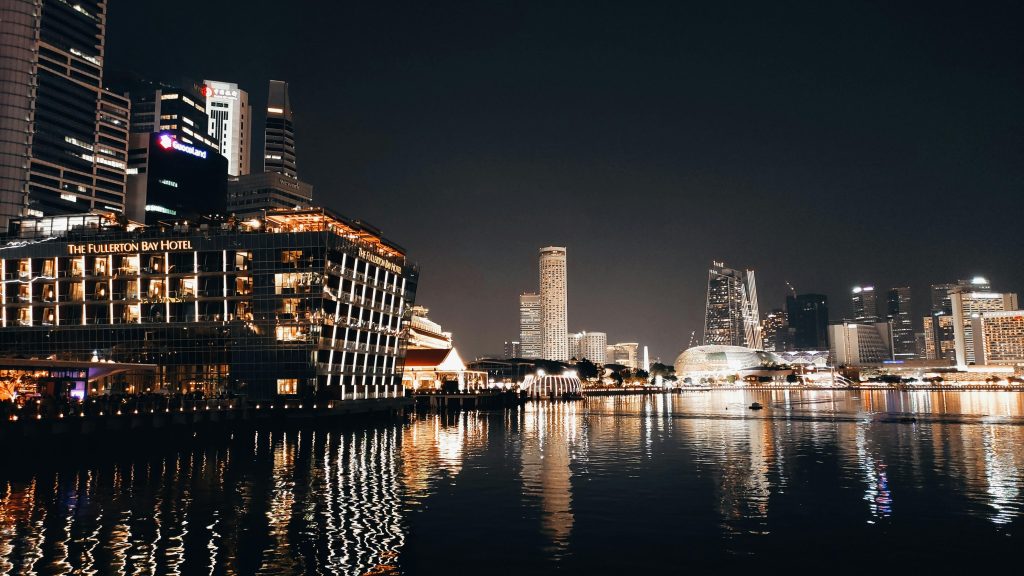
Singapore is a city that rewards those who choose to walk down the quiet side streets. Look past the polished, futuristic exterior; find a hidden cafe tucked away under a public housing block; pull up a plastic stool at a local hawker stall, and you’ll find a city with an unforgettable, deeply authentic soul.
Pack lightweight clothes, bring an open appetite, and leave the generic itineraries behind.
Frequently Asked Questions
Yes, but it makes the city incredibly safe, clean, and efficient. Simple things like chewing gum cannot be bought or sold in the country, and littering carries massive fines. As long as you respect the local environment and clean up after yourself at hawker centres, you will have a seamless trip.
While accommodation and alcohol can be quite pricey, everyday living is remarkably cheap. The public transit system (MRT) is incredibly inexpensive, spotless, and covers every inch of the island. You can tap in and out of any train or bus using your contactless credit card or phone.
Singapore is located almost directly on the equator, meaning it is hot and humid year-round (usually around 30°C or 86°F). Sudden tropical thunderstorms are common in the afternoon, but they usually pass within an hour. Always carry a small umbrella in your daypack, and plan your outdoor walking for the early mornings or late evenings.