
The Night Market Food Experience In Taiwan Is One I’ll Never Forget
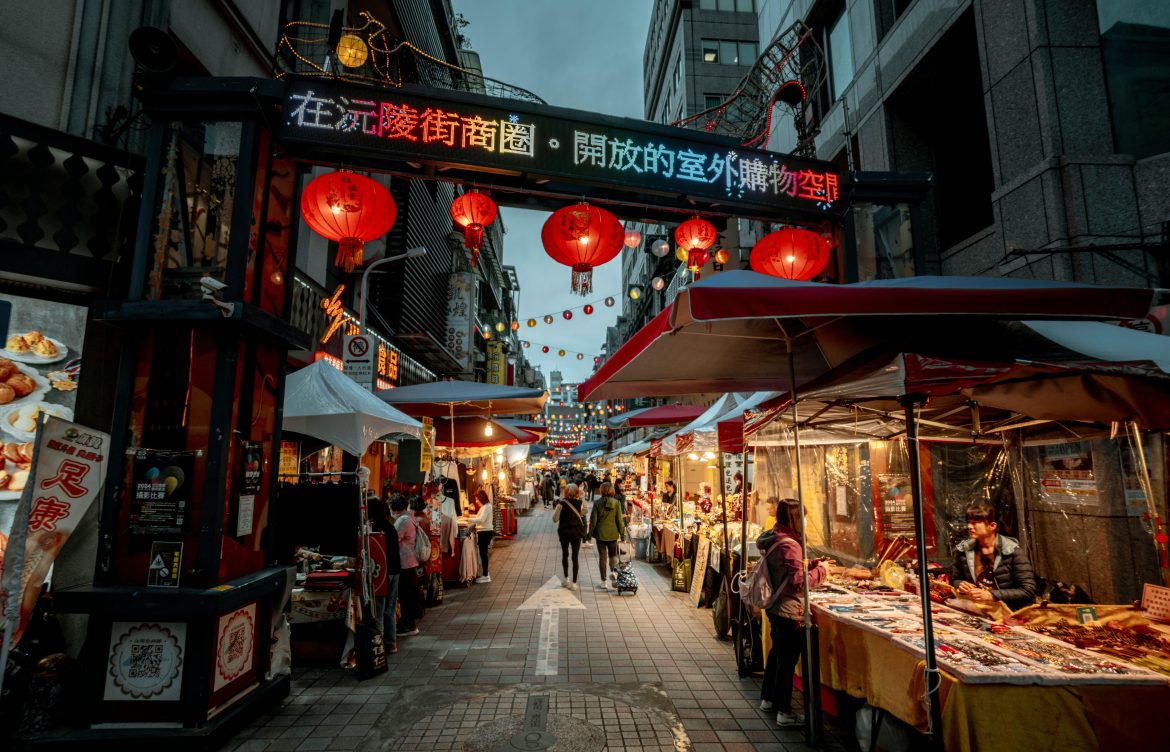
Steam rose into the night air while hundreds of people moved slowly between glowing food stalls under bright signs written in Chinese characters.
Scooters passed nearby.
Oil crackled constantly from giant frying pans.
Someone handed me a drink I couldn’t even pronounce properly.
And somehow, within ten minutes of entering my first Taiwanese night market, I already knew this would become one of the most memorable food experiences I’d ever had.
Not because the markets felt luxurious.
But because they felt alive.
Taiwan’s night markets aren’t just places to eat.
They feel like the center of everyday life.
Families gather there after work.
Students meet friends there late at night.
Tourists wander through crowds trying foods they’ve never seen before.
Locals line up patiently beside tiny stalls that have been operating for decades.
The atmosphere feels chaotic at first.
Then strangely comforting.
And honestly, that energy became my favorite part of Taiwan.
If you are planning your first trip to Taiwan, this guide covers:
- what Taiwanese night markets actually feel like
- foods worth trying
- local food culture
- realistic prices
- mistakes first-time visitors make
- why Taiwan became one of my favorite food destinations in Asia
My First Night Market Felt Overwhelming
The first thing I noticed was the smell.
Every few steps, the air changed completely:
grilled meat,
fried chicken,
sweet pastries,
bubble tea,
seafood,
soy sauce,
fresh herbs,
smoke from charcoal grills.
It honestly felt impossible to decide where to eat first.
Unlike traditional restaurants, night markets feel fast-moving and spontaneous.
You constantly discover something new every few meters.
And eventually, you stop trying to plan anything and simply follow whatever looks interesting.
Shilin Night Market Felt Like Its Own World
Taipei’s Shilin Night Market immediately felt enormous.
The deeper I walked into the market, the more crowded and energetic everything became.
Tiny food stalls lined every street while bright lights reflected across wet pavement from recent rain.
The atmosphere felt loud, busy, and slightly chaotic in the best possible way.
And somehow, despite the crowds, it never felt stressful.
People moved slowly.
Groups laughed while sharing snacks.
Vendors were focused on preparing food, rather than aggressively selling to tourists.
The market felt local first, touristy second.
That made a huge difference.
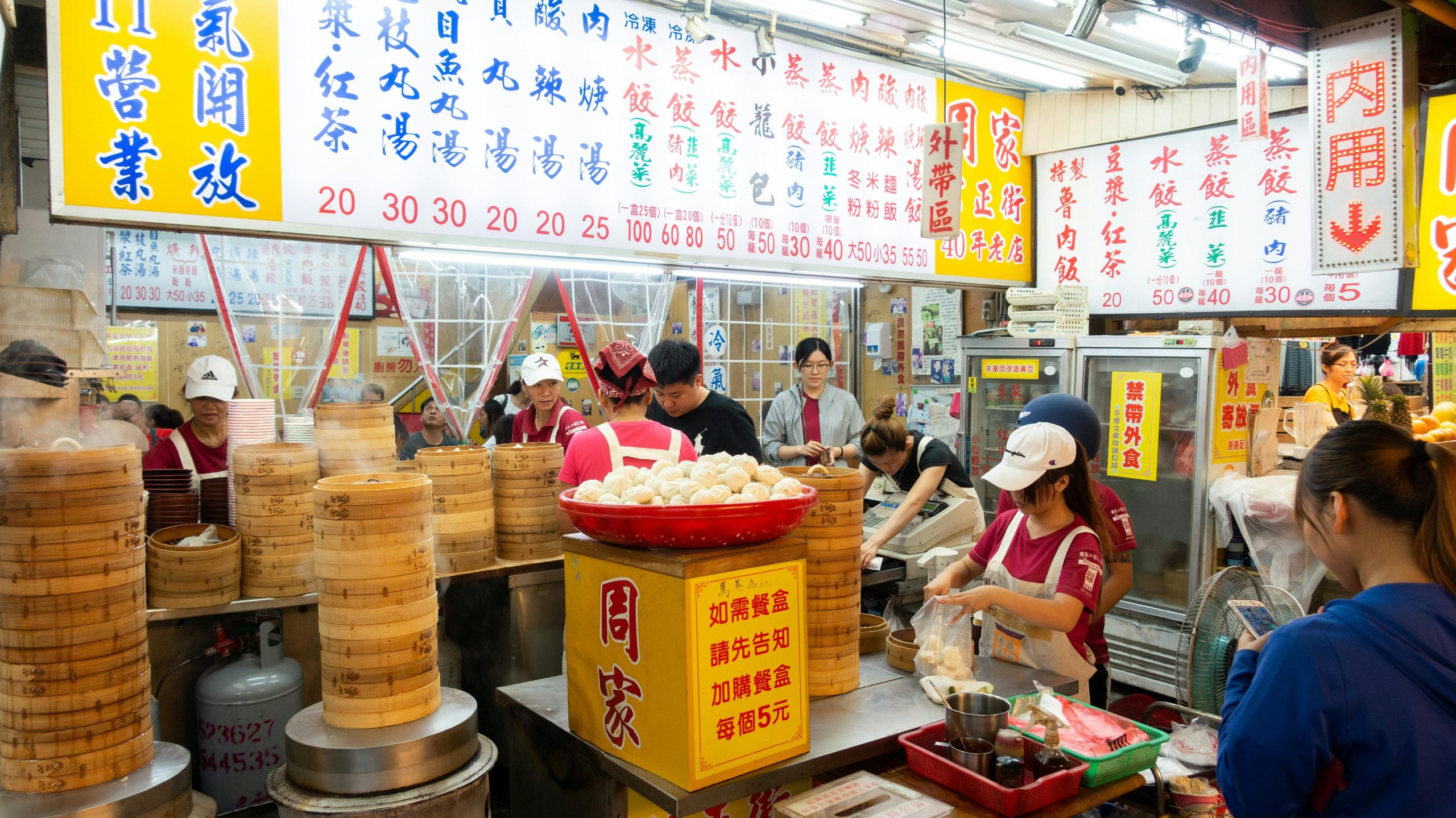
Bubble Tea Tasted Completely Different in Taiwan
Trying bubble tea in Taiwan felt strangely important.
After all, this is where it started.
And honestly, it tasted much fresher and less artificial than versions I’d tried elsewhere.
The tea itself tasted stronger.
The tapioca pearls felt softer.
Even small independent shops somehow felt deeply specialized.
Some places sold only tea for decades.
That level of attention to detail became something I noticed constantly throughout Taiwan.
Average Bubble Tea Prices
NT$50–NT$120 ($1.50–$4)
The Fried Chicken Was Ridiculously Good
Taiwanese fried chicken somehow tasted lighter, crispier, and more flavorful than expected.
Especially inside night markets.
Freshly fried pieces were handed over in paper bags while seasoning powder covered everything instantly.
The smell alone made it impossible to walk past certain stalls.
And honestly, after trying it once, I understood why people constantly line up for it.
Foods Worth Trying in Taiwan
- Taiwanese fried chicken
- beef noodle soup
- oyster omelet
- scallion pancakes
- xiao long bao
- bubble tea
- grilled squid
- stinky tofu
- pork pepper buns
Taiwan’s food culture feels incredibly diverse despite the country’s relatively small size.
Trying Stinky Tofu Was an Experience
You smell stinky tofu before you see it.
Honestly, the smell is intense.
At first, I genuinely thought there was no chance I’d enjoy it.
But surprisingly, the taste itself felt much milder than the smell suggested.
Crispy outside.
Soft inside.
Served with pickled vegetables and sauce.
It became one of those foods that felt memorable more because of the experience around it than the flavor itself.
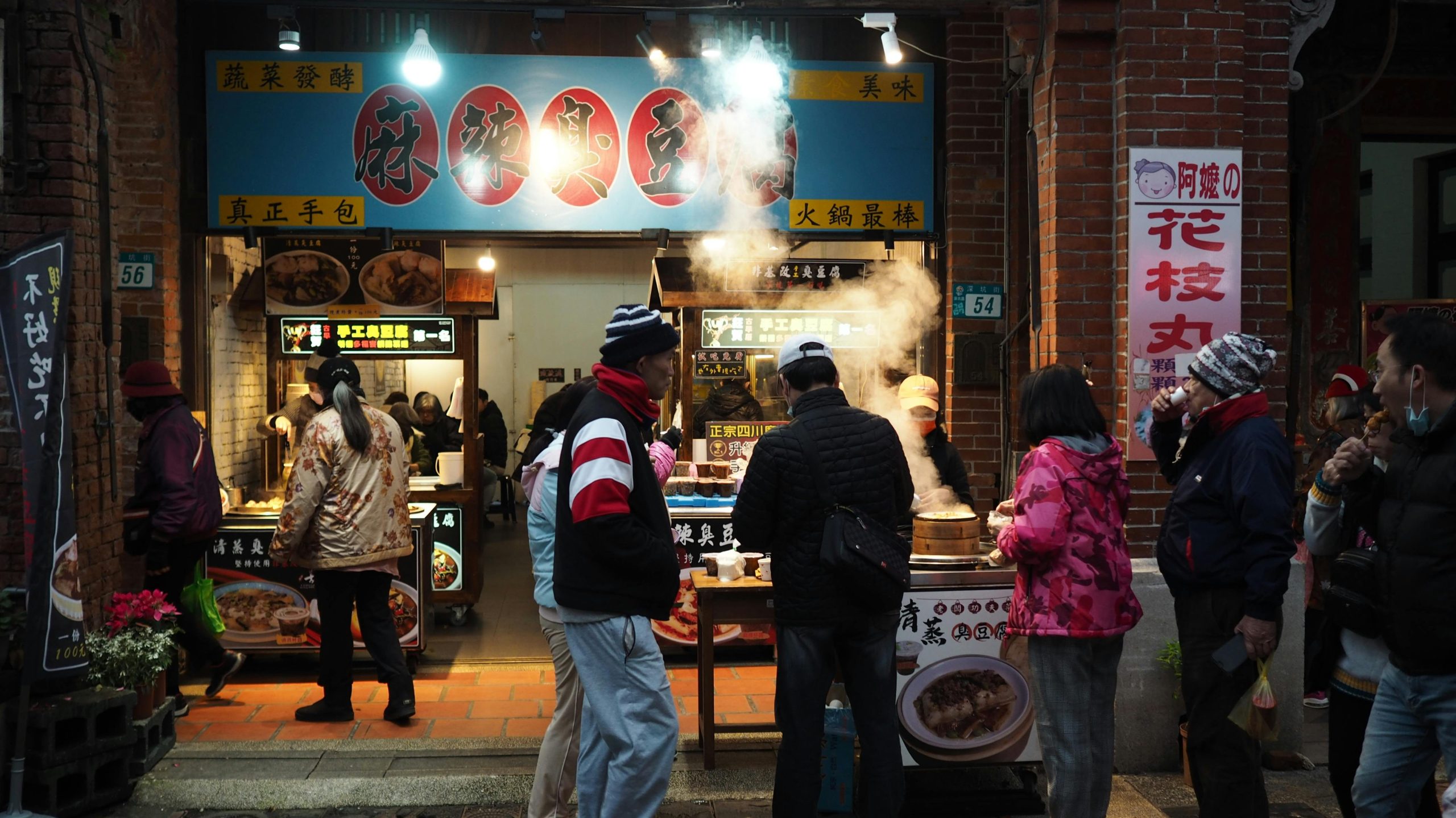
The Small Food Stalls Felt More Personal Than Restaurants
I was most surprised by how personal many of the food stalls felt.
Some vendors clearly specialized in making one dish over and over for years.
And somehow, even very simple meals felt carefully prepared.
Taiwan’s food culture seems to be very much about consistency and detail.
Even cheap street food often felt intentional.
The Markets Felt Social, Not Just Touristy
This was probably my favorite part of Taiwan’s food culture.
Night markets genuinely felt like community spaces.
Not just tourist attractions.
People came there to:
- eat dinner
- meet friends
- walk around after work
- spend time together late into the evening
That atmosphere made the experience feel authentic instead of staged.
Raohe Night Market Felt More Atmospheric at Night
Raohe Night Market became one of my favorite evening experiences in Taipei.
Especially after rain.
Red lanterns reflected across wet streets while smoke drifted upward from food stalls beside the temple entrance.
The entire market felt cinematic.
And unlike some tourist-heavy places in other countries, the atmosphere still felt deeply local.
Taiwan Feels Obsessed With Food in the Best Way
Food in Taiwan doesn’t feel rushed.
People wait patiently in long lines for specific dishes.
Families travel across the city for certain noodle shops.
Tiny restaurants become famous for doing one thing extremely well.
That passion for food becomes noticeable very quickly.
And honestly, it makes eating in Taiwan feel far more exciting than simply “trying local dishes.”
Average Food Costs in Taiwan
| Food | Average Cost |
| Street food snack | $1–$5 |
| Bubble tea | $2–$4 |
| Beef noodle soup | $5–$10 |
| Night market meal | $8–$15 |
| Restaurant dinner | $15–$40 |
Taiwan felt surprisingly affordable overall.
Things That Surprised Me Most About Taiwan’s Food Culture
1. Night Markets Feel Like Everyday Life
They don’t feel built only for tourists.
2. Small Food Stalls Can Serve Amazing Food
Some of the best food comes from tiny family-run stalls.
3. Taiwan’s Love Affair With Tea
Tea culture seems to be woven into everyday life.
4. Food Feels Social Everywhere
Eating feels connected to conversation and community.
Mistakes First-Time Travelers Make
Trying to Plan Every Meal
Taiwan’s best food experiences often happen randomly.
Avoiding Busy Food Stalls
Long lines usually mean the food is genuinely worth trying.
Eating Too Quickly
Night markets are best explored slowly.
Best Food Experiences in Taiwan
- night market hopping in Taipei
- trying bubble tea from local shops
- late-night street food walks
- exploring small alleyway cafés
- beef noodle soup on rainy evenings
- temple-side food stalls
- Taiwanese breakfast shops
- traditional tea houses
Final Thoughts
Long after the trip ended, what I remembered most about Taiwan wasn’t a famous landmark.
It was the atmosphere of the night markets.
Steam rising into the air.
Lantern reflections after rain.
People gathering around tiny food stalls late into the evening.
The constant smell of food drifting through crowded streets.
Taiwan somehow turns eating into something much larger than food itself.
It becomes part of the culture, the rhythm of the city, and the feeling of being there.
Frequently Asked Questions-
Absolutely. They are one of the most important parts of Taiwan’s food and culture experience.
Bubble tea, beef noodle soup, fried chicken, and xiao long bao are among the most popular.
No. Taiwan offers excellent food at relatively affordable prices.
Shilin and Raohe Night Markets are among the most popular for first-time visitors.
Many visitors are surprised by how deeply food culture shapes everyday life in Taiwan.