
My First Experience at a Christmas Market in Germany
I could smell cinnamon before I saw the market.
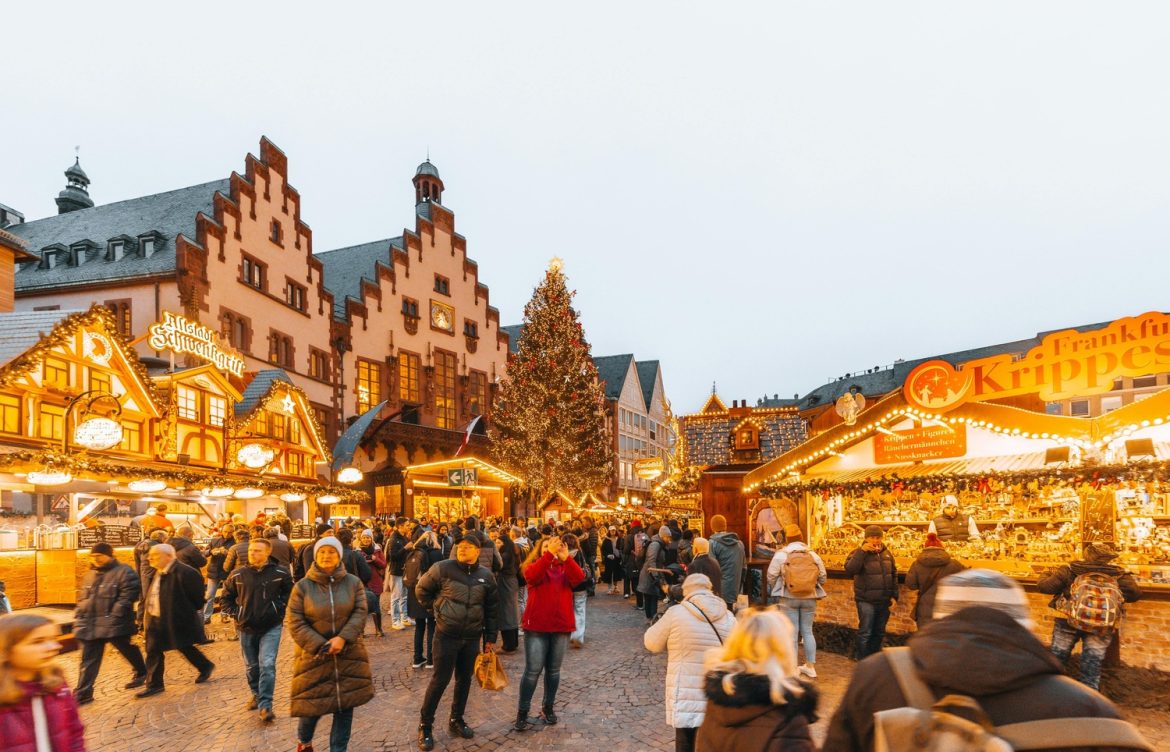
It was cold enough that each breath was visible. I walked through the old town square, where strings of golden lights were strung between historic buildings that looked like they were pulled from a storybook.
People stood around wooden stalls holding steaming mugs with both hands while Christmas music drifted softly through the evening air.
I had seen photos of German Christmas markets countless times online.
But standing inside one felt completely different.
It wasn’t just a market.
It was like stepping into a tradition that had been part of everyday life for generations.
If you are contemplating a trip to Germany during the holidays, here is what surprised me the most about visiting a Christmas market for the first time.
The Atmosphere Felt More Magical Than I Expected
Usually, when a destination is heavily photographed online, reality struggles to match expectations.
German Christmas markets were one of the rare exceptions.
The combination of:
- historic architecture
- festive lights
- winter weather
- traditional food
- local music
created an atmosphere that felt genuinely special.
Even people who weren’t shopping seemed happy simply walking around and enjoying the surroundings.
The experience felt less commercial than I expected and more community-focused.

Every Market Felt Different
One thing that surprised me was how unique each Christmas market felt.
Some were large and lively with hundreds of stalls.
Others were smaller and quieter, tucked inside historic town squares.
Whether you visit:
- Nuremberg
- Munich
- Cologne
- Dresden
- Frankfurt
each market has its own character and traditions.
That variety makes exploring multiple markets part of the fun.
The Food Became a Highlight of the Trip
I expected festive decorations.
I didn’t expect the food to become one of my favorite parts of the experience.
Every few steps seemed to bring another tempting smell.
Fresh bread.
Roasted nuts.
Grilled sausages.
Spiced pastries.
The entire market felt like an outdoor food festival.
Trying Bratwurst in the Cold Weather Just Felt Right
One of the first things I tried was a traditional German bratwurst served in a fresh bread roll.
Simple.
But somehow perfect on a cold winter evening.
Standing outside beneath festive lights while eating hot food made the experience feel even better.
Sometimes travel memories are created by surprisingly small moments.
Glühwein Was Everywhere
No Christmas market experience feels complete without seeing people carrying mugs of Glühwein.
For anyone unfamiliar with it, Glühwein is a warm spiced wine traditionally served during the holiday season.
The smell alone seemed to fill the entire market.
Cinnamon.
Cloves.
Orange.
Red wine.
Even people who don’t normally drink wine often try it simply because it feels like part of the tradition.
The Souvenirs Felt More Authentic Than Typical Tourist Shops
Instead of generic souvenirs, many stalls sold handmade products including:
- wooden ornaments
- candles
- handcrafted decorations
- winter accessories
- traditional gifts
The markets felt connected to local craftsmanship rather than mass-produced tourism.
That made browsing far more interesting than I expected.
The Historic Setting Made Everything Better
Many German Christmas markets take place in old town centers surrounded by historic buildings.
That setting adds something difficult to describe.
Modern shopping centers can decorate for Christmas.
But centuries-old architecture creates a completely different atmosphere.
Walking through a market surrounded by historic churches and old buildings made the entire experience feel more timeless.
Things That Surprised Me About German Christmas Culture
People Spend Time, Not Just Money
Many visitors weren’t there to shop.
They were there to meet friends, enjoy food, and spend time together.
The markets felt social rather than transactional.
Families Play a Huge Role
Christmas markets weren’t just for tourists or adults.
Families with children were everywhere.
That family atmosphere helped make the experience feel warm and welcoming.
The Pace Felt Relaxed
Despite large crowds, people weren’t rushing.
The focus seemed to be on enjoying the evening rather than moving quickly from stall to stall.

Foods Worth Trying at a German Christmas Market
If it’s your first visit, try:
- bratwurst
- roasted almonds
- gingerbread
- potato pancakes
- pretzels
- stollen
- Glühwein
- hot chocolate
Part of the experience is trying things you normally wouldn’t order at home.
Average Christmas Market Costs
| Item | Average Cost |
| Bratwurst | €4–€8 |
| Glühwein | €4–€7 |
| Pretzel | €3–€5 |
| Roasted nuts | €4–€8 |
| Gingerbread | €3–€10 |
| Souvenirs | €5–€30+ |
Germany felt surprisingly reasonable considering how memorable the experience was.
The Best Part Wasn’t the Food or Shopping
Looking back, what I remember most isn’t a specific meal or souvenir.
It’s the atmosphere.
The sound of people laughing beneath strings of lights.
The smell of cinnamon and roasted almonds in the cold air.
The sight of historic buildings glowing against the winter sky.
And the feeling of being part of a tradition that has existed for centuries.
Final Thoughts
Before visiting Germany in December, I thought Christmas markets were simply seasonal tourist attractions.
After experiencing one in person, I understood why people travel from around the world to see them.
They’re not just markets.
They’re cultural experiences.
A combination of food, tradition, history, community, and holiday spirit that somehow feels both exciting and comforting at the same time.
And honestly, if you’re planning a winter trip to Europe, visiting a German Christmas market deserves a place at the very top of your list.
The most famous Christmas markets include the Nuremberg Christkindlesmarkt, Dresden Striezelmarkt, Cologne Christmas Market, and Munich Christmas Market. Each offers a unique atmosphere, traditional food, and holiday traditions.
Most Christmas markets open in late November and run until Christmas Eve. The first two weeks of December are often considered the best time to visit because the festive atmosphere is in full swing.
Not necessarily. Food items typically cost between €4–€10, while drinks like Glühwein usually range from €4–€7. Many visitors find Christmas markets reasonably priced compared to other winter attractions in Europe.
Popular foods include:
Bratwurst
Pretzels
Roasted almonds
Potato pancakes
Gingerbread (Lebkuchen)
Stollen
Glühwein
Some of the most popular cities for Christmas markets are:
Nuremberg
Dresden
Cologne
Munich
Frankfurt
Berlin
Stuttgart
Yes. Many markets are free to enter, and you can easily enjoy the atmosphere, decorations, and cultural experiences without spending much money.
Absolutely. Many markets feature children’s activities, festive performances, holiday decorations, and family-oriented attractions.
A 3–5 day trip is ideal if you want to visit multiple markets in different cities and fully enjoy the holiday atmosphere.